

『1 2 Flow Meter: Half-Inch NPT Inline Liquid Instruments』Related information(flow rotameter|digital flow meter|balo meter|hydraulic flow meter|volumetric meter|positive displacement meter|pitot tube flow meter|displacement meter|cfm meter|variable area flow meter|inline flow meter|differential pressure flow meter|calibrated flow meter|velocity meter|paddle wheel flow meter|oval gear flow meter|anemometer hvac|multiphase flow meter|doppler flow meter|thorpe tube flowmeter|heat flow meter)
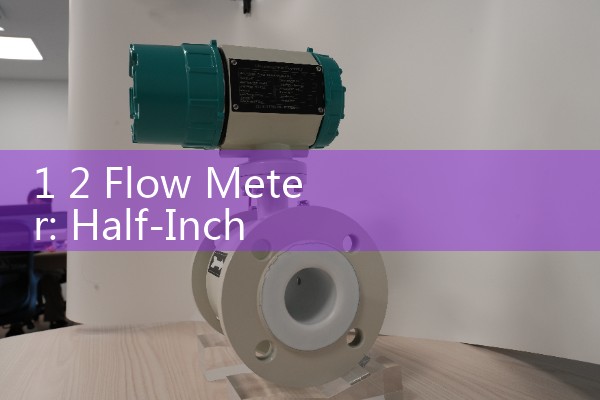
1/2" Flow Meter: Half-Inch NPT Inline Liquid Instruments
Quick Answer: A half-inch NPT inline flow meter measures liquid flow in small pipes, typically for water, chemicals, fuels, or light oils. Silver Instruments offers oval gear, turbine, and electromagnetic options with 4-20 mA, pulse, or Modbus outputs. Tell us your liquid type, viscosity in cP, flow range in L/min, and pipe material. We will recommend a meter that fits your 1/2" NPT threads directly.
Why a Dedicated 1/2" Flow Meter Matters in Daily Work
Many plants run dozens of small dosing lines. A cooling system in a Jakarta plastics factory, a chemical injection skid in Dammam, a diesel consumption monitor on a fishing vessel in Peru. All these share one detail. The pipe is half-inch NPT. Engineers do not want reducers, extra fittings, or leak points. They want a flow meter that screws straight into the existing thread.
We have learned this from customer sites many times. A water treatment operator in the Philippines told us, "I just need a meter that fits my 1/2 inch pipe, no adapters, no mess." That is exactly the point. The simpler the installation, the fewer calls to maintenance.
Silver Instruments stocks several inline liquid meters with 1/2" NPT male or female process connections. The body material can be brass, 316L stainless steel, or aluminum, depending on the liquid. The wetted parts need to match your chemical compatibility chart. This is not a guesswork selection.
Which Technology Works Best for 1/2" NPT Inline Use
We group the common small-line meters into three types.
Oval gear flow meter. Positive displacement design. It handles fuel, lube oil, diesel, biodiesel, or even edible oil. Typical accuracy is ±0.5% of reading. Viscosity up to 1000 cP is fine. We see these often on generator fuel monitoring in remote telecom towers across Africa and Southeast Asia. The 1/2" model can measure as low as 0.5 L/h. That matters when you track low consumption. Output is usually pulse, easy to connect to a PLC or a Silver paperless recorder.
Turbine flow meter. Works best for clean, low-viscosity liquids like water, deionized water, or light chemicals. The rotor spins on a bearing. Accuracy drops if the liquid carries particles. We supply a 1/2" NPT turbine with a 304SS body and a pickup coil that gives a frequency signal. Flow range around 2 to 40 L/min. Some engineers install a Y-strainer upstream. It is wise. A scrap of Teflon tape in the line can stop the rotor.
Electromagnetic flow meter. No moving parts. It needs a conductive liquid, minimum 5 µS/cm. Perfect for wastewater, slurries, or corrosive chemicals. Our mini mag meter with 1/2" threading uses a PTFE liner and Hastelloy electrodes on request. It outputs 4-20 mA and RS485 Modbus. The empty pipe detection function saves pumps. We have shipped these to desalination pilot plants in Oman and dye dosing stations in Bangladesh.
Half-Inch NPT vs Other Small Connections
NPT is the taper thread standard across North America and many oil and gas sites worldwide. In contrast, BSPP or G-thread is common in Europe and parts of Asia. When a customer in Dubai says "1/2 inch flow meter," they usually mean NPT. However, we always confirm the thread standard before shipping. A mismatch will damage the thread during installation. We can supply BSPT, BSPP, or even SAE flare if needed. Just mention it in your RFQ.
Where the 1/2" Inline Flow Meter Works in Real Plants
Here is the thing. Most product pages list vague "applications." We prefer to list specific scenes we have actually supported.
Chemical dosing in cooling towers. A customer in Thailand injects biocide at a rate of 0.2 to 2 L/h through a 1/2" PVC pipe. They use our oval gear meter with a polyamide body and PTFE gears. The pulse output goes to a PLC that controls the dosing pump stroke. The meter cost paid for itself in three months by cutting chemical overdosing.
Fuel consumption for marine auxiliary engines. A vessel operator in Nigeria needed to measure diesel flow to a small generator. Space was tight. The engine inlet had a 1/2" NPT female bung. We provided a brass oval gear meter with a local display and 4-20 mA output. The crew checks daily consumption on a bridge panel. No more manual sounding of the day tank.
RO permeate flow measurement. A water treatment company in Mexico requested a 1/2" inline flow meter for their pilot reverse osmosis system. Permeate water co
Coffee extraction process. Yes, we have supplied oval gear meters for espresso machine manufacturers in Italy and Australia. They needed to meter hot water at 90°C with food-grade materials. The 1/2" NPT connection matched their solenoid valve block. Accuracy at 0.6 L/min had to be tight to control extraction time.
Key Specifications to Expect
We provide the following typical specs for half-inch NPT inline meters. These are not all options, just a baseline.
Pipe size: DN15 (1/2"), connection: NPT male or female, body material: brass / 316L SS / aluminum / PVC, flow range: 0.5 L/h up to 40 L/min depending on technology, accuracy: ±0.5% for oval gear, ±1.0% for turbine, ±0.5% for electromagnetic, output: pulse, 4-20 mA, RS485 Modbus, display: local LCD or remote, temperature rating: -20°C to 120°C (higher on request), pressure rating: up to 100 bar for stainless steel oval gear type. In practice, most industrial users need 10 to 40 bar.
If your liquid contains solids, skip the turbine. If it is non-conductive like oil or solvent, electromagnetic will not work. If you have high viscosity above 100 cP, oval gear is the safest pick. We are happy to check your process data.
Output and Signal Integration
Most small flow meters we ship include a pulse output as standard. One pulse equals a known volume, like 0.1 mL or 1 mL. This makes it easy to totalize flow. For 4-20 mA, we add a small transmitter board. The loop-powered design means only two wires. Modbus RTU over RS485 is popular when the meter talks to a SCADA system. The register table is open, so integration with Siemens, Allen-Bradley, or local HMI is straightforward.
What to Check Before Ordering a 1/2" Flow Meter
Most engineers skip this part and then email us later with missing details. Here is a short checklist.
Liquid name and chemical formula if possible. Particle size and hardness. Full flow range: minimum, normal, and maximum in L/min or GPM. Viscosity at operating temperature. Operating temperature and pressure. Pipe material and thread type (NPT, BSP, etc.). Required output signal and power supply. Hazardous area classification, such as ATEX Zone 1 or IECEx, if needed. We will cross-check the wetted parts compatibility with your chemical. It costs nothing to verify before we quote.
FAQ
Can I get a 1/2" flow meter that works with seawater?
Yes. We supply an electromagnetic flow meter with 316L electrodes and a PTFE liner for seawater or brine. We have installed these on desalination pilot skids. Mention "seawater flow meter for desalination" in your inquiry.
Do you offer a battery-powered option for remote sites?
Yes. Our oval gear meters can be fitted with a battery-powered totalizer display. The battery lasts 3 to 5 years depending on pulse frequency. This is common for oil well chemical injection in the Middle East where no power is nearby.
What is the lead time for a 1/2" NPT inline flow meter?
Standard models ship in 5 to 7 working days. Custom materials or ATEX certification may add 3 to 4 weeks. We air ship to Singapore, UAE, Mexico, and other main hubs regularly.
How do I calibrate the meter after installation?
We provide a calibration certificate with every meter traceable to national standards. If you want field verification, we recommend a bucket-and-stopwatch method for low flow. For higher accuracy, a master meter comparison works. No special tools required for basic checks.
Can I use a 1/2" turbine meter for diesel?
Diesel has a viscosity around 3 to 5 cP. A turbine meter works, but oval gear gives better low-flow performance and longer bearing life. For generator fuel tracking, our engineers recommend oval gear. We have seen turbine bearings wear faster due to low lubricity in some diesel blends.
Request a Quote with Your Exact Conditions
Send us your liquid name, temperature in °C, pressure in bar, flow range in L/min, pipe size (DN15), thread type (NPT or BSP), and required output signal. Email: [email protected], Tel: +86-135-1213-1526, Whatsapp: 86-135-12131526, WeChat: +86 13512131526. Our team will reply within one working day with a data sheet and price for the 1/2" flow meter that fits your inline process.
 Hot Blog
 Related AD