

『Anesthesia Flow Meter: Clinical Surgical Gas Delivery Safety Standards』Related information(flow rotameter|digital flow meter|balo meter|hydraulic flow meter|volumetric meter|positive displacement meter|pitot tube flow meter|displacement meter|cfm meter|variable area flow meter|inline flow meter|differential pressure flow meter|calibrated flow meter|velocity meter|paddle wheel flow meter|oval gear flow meter|anemometer hvac|multiphase flow meter|doppler flow meter|thorpe tube flowmeter|heat flow meter)
Anesthesia Flow Meter: Clinical Surgical Gas Delivery Safety Standards
Quick Answer
An anesthesia flow meter for surgical gas delivery must hold low flow accuracy, use oxygen clean materials, and pass leak checks under pipeline pressure. Silver Instruments supplies thermal mass and Coriolis gas flow meters for gas skids, calibration benches, and central medical gas monitoring. Send gas type, flow range in L/min, inlet pressure in bar, and tube size DN for a quote.
Why Anesthesia Gas Flow Measurement Is Different
An anesthesia workstation mixes oxygen, nitrous oxide, and air before the vaporizer and ventilator. A small flow error changes inspired oxygen fraction and agent concentration. ISO 80601-2-13 covers basic safety and essential performance for anesthetic workstations. ISO 7396-1 and NFPA 99 set medical gas pipeline supply rules. HTM 02-01 is used in the United Kingdom.
Low flow anesthesia is common. A meter may need to read 0.2 L/min oxygen for closed circuit work and 30 L/min oxygen for a quick flush. A volumetric float device is hard to read below 1 L/min. Thermal mass or Coriolis meters give a linear signal across the full range.
In practice, a 5 L/min oxygen flowmeter with a cracked tube or a loose needle valve seat can read 4.6 L/min but deliver 5.4 L/min. That is a 16 percent delivery error. It may go unnoticed during a short case and become dangerous in closed circuit anesthesia.
Key Safety Parameters On Site
Leakage is the first check. A common pass criterion for a flowmeter tube assembly is leakage below 10 mL/min at 40 kPa. Another check is back pressure tolerance. A downstream ventilator or vaporizer can raise back pressure by 2 kPa to 5 kPa. The flowmeter should keep its indication within tolerance under that condition.
Oxygen clean service is not optional. Wetted parts should be 316L stainless steel, brass, glass, PTFE, or EPDM. No oil or grease on any thread or seat. For oxygen lines, pressure rating should be at least 10 bar. Temperature drift should be small. A change of 10 degrees Celsius should not move the reading by more than 0.5 percent full scale.
Many sites use air to test because air is cheap. This causes a hidden error on nitrous oxide. A thermal mass flow meter calibrated on air can read 4 to 8 percent off on nitrous oxide if gas correction is not applied. Last year a customer in Vietnam asked why a test bench passed on air but failed on nitrous oxide. The gas correction factor was left at 1.00. That one setting caused a 6 percent shift at 3 L/min.
Surgical Gas Delivery Points That Cause Failures
Condensation is one common failure. Medical gas should be dry, but pipeline dew point can rise after maintenance. Water droplets collect in small bore tubes. A float sticks. A thermal sensor cools. The reading becomes unstable.
Pressure drop is another. A DN6 tube at 5 bar inlet may pass enough flow for a 10 L/min meter. If the hospital pipeline drops to 3.2 bar during heavy use, the flow range shifts. Size the flowmeter for minimum working pressure, not peak pressure.
Vibration in the operating theatre column can also affect output. A Coriolis meter with a strong tube design performs better than a lightweight float meter here. Silver Instruments has seen this in Vietnam, Malaysia, and Chile where central gas plant startup caused unstable readings on uncalibrated bypass lines.
Silver Instruments Flow Meter Options
Silver Automation Instruments prov
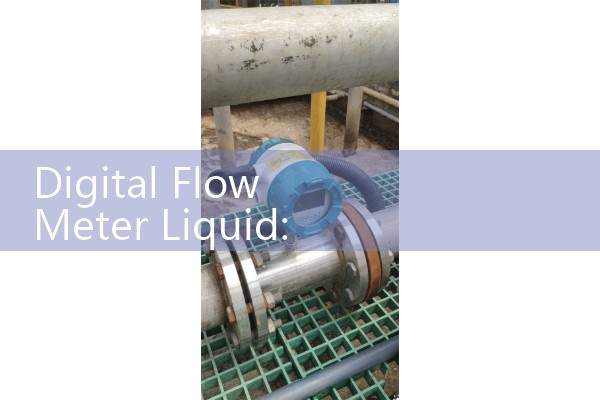
The SITF-100 thermal mass flow meter covers oxygen, nitrous oxide, and medical air. Standard ranges are 0 to 50 L/min and 0 to 200 L/min. Accuracy is ±1.0 percent reading plus ±0.5 percent full scale. Output is 4-20 mA HART with RS485 Modbus RTU. Process connections are DN6, DN15, and DN25. Wetted parts are 316L stainless steel and PTFE. Pressure rating is 10 bar.
The SICM-008 Coriolis mass flow meter fits calibration benches that need mass flow accuracy. Accuracy is ±0.2 percent reading. It measures mass flow directly, so it is not affected by gas density changes the way a volumetric float meter is. It verifies anesthesia flow meter readings from 0.2 L/min to 30 L/min.
For a calibration bench, pair the SICM-008 Coriolis reference meter with a SITF-100 thermal mass unit under test. Set test points at 0.5, 1, 5, 10, and 20 L/min for oxygen. Record the 4-20 mA HART output at each point. Compare against the Coriolis reference.
Installation And Calibration Notes
Use a straight run of 10 pipe diameters upstream and 5 pipe diameters downstream for thermal mass flow meters. Use metal to metal seals for oxygen service. Do not use thread tape. Purge with dry nitrogen at 1.5 times working pressure before first gas exposure. Recalibrate every 12 months or after 1000 operating hours, whichever comes first.
Here is the thing: a flowmeter installed with 4 elbows directly upstream will not match its calibration sheet. Most engineers skip this part and then chase unstable readings for two days. For analog loops, check the 4-20 mA HART signal with a 250 ohm load. Confirm the low flow cut off value. A cut off set too high can hide low flow faults.
FAQ: Anesthesia Flow Meter and Surgical Gas Safety
What is a safe flow range for a surgical oxygen flowmeter?
Most anesthesia workstations use 0 to 10 L/min for oxygen and nitrous oxide, with a high flow oxygen flush up to 30 L/min. Low flow accuracy below 1 L/min matters most.
Which standards apply to clinical surgical gas delivery?
ISO 80601-2-13, ISO 7396-1, NFPA 99, and HTM 02-01 are the main documents. They cover workstations, pipeline supply, alarms, and verification.
Can an industrial gas flow meter be used in an anesthesia machine?
A final anesthesia machine must use a certified medical device flow meter. An industrial thermal mass or Coriolis meter can be used in the gas mixing skid, calibration bench, or pipeline monitoring system.
How often should an anesthesia gas flow meter be calibrated?
Every 12 months is common. High use systems may need calibration after 1000 operating hours. Calibrate with the target gas or a correct gas correction factor.
What details do you need for a gas flow meter quote?
Send gas type, flow range in L/min, inlet pressure in bar, tube size DN, output signal, and whether the service is oxygen clean.
Contact Silver Automation Instruments
For a specific quote, send gas type, flow range in L/min, inlet pressure in bar, pipe size DN, and output signal. Phone: +86-135-1213-1526. WhatsApp: 86-135-12131526. WeChat: +86 13512131526. You can also visit flow-meter.com.au.
 Hot Blog
 Related AD