

『Flow Meter Range Optimization: Sizing Meters Correctly to Avoid Under-Range Inaccuracies』Related information(flow rotameter|digital flow meter|balo meter|hydraulic flow meter|volumetric meter|positive displacement meter|pitot tube flow meter|displacement meter|cfm meter|variable area flow meter|inline flow meter|differential pressure flow meter|calibrated flow meter|velocity meter|paddle wheel flow meter|oval gear flow meter|anemometer hvac|multiphase flow meter|doppler flow meter|thorpe tube flowmeter|heat flow meter)
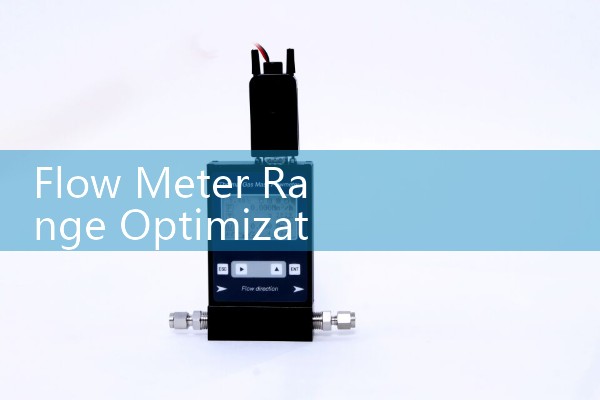
Flow Meter Range Optimization: Sizing Meters Correctly to Avoid Under-Range Inaccuracies
Quick Answer: Under-range operation is a common cause of flow meter error in industrial plants. Size the meter so normal flow stays above 20 percent of span for most technologies. For batch dosing and custody transfer keep normal flow between 30 and 70 percent of the calibrated range.
Most engineers skip this part. They size a flow meter from the pipe diameter or from the design maximum. Then the real process runs much lower. The result is noisy output, totalizer drift, and out of spec accuracy. We have seen this on customer sites many times.
Why Under-Range Operation Shows Up in Real Plants
A desalination plant in Oman installed a DN200 electromagnetic flow meter on a brine line. The design maximum was 220 m3/h. Normal operation stayed between 8 and 15 m3/h. That is under 7 percent of the meter span. The 4-20 mA signal sat around 4.5 to 5.1 mA. Operators saw a stable reading, but the flow total did not match the storage tank level. The meter was not broken. It was oversized.
Under-range error behaves like a fixed offset. At 5 percent of span, a meter with plus or minus 0.5 percent of rate accuracy can show two to three percent deviation because signal noise, zero offset, and Reynolds number effects start to dominate. In batch systems this error lands directly in the batch total.
Start With Normal Flow Not Just Line Size
Line size is the wrong first question for turndown. A DN50 pipe can carry 1 m3/h or 25 m3/h depending on pressure, viscosity, and pump curve. Meter sizing must start from three flow values. Minimum flow during weekends or cleaning. Normal flow during production. Maximum flow during start-up or flushing.
In practice, log the actual flow for seven days before you quote a meter. Use a plant historian, a clamp-on ultrasonic meter, or the pump speed and stroke data. Do not trust the design maximum. Design maximum is often 30 to 50 percent higher than real operation. That alone pushes a meter into under-range service.
Technology Specific Range Limits
Each flow meter technology reacts to low flow differently. A Silver Instruments electromagnetic flow meter can measure down to 0.3 m/s velocity if the liquid conductivity is above 20 µS/cm. Below 0.2 m/s the signal becomes small and the reading can jump. For a DN100 magmeter, 0.3 m/s is around 8.5 m3/h. If your normal flow is 3 m3/h, the meter is too large.
Vortex flow meters are worse at the bottom of the range. The bluff body needs a minimum Reynolds number to generate a countable vortex street. Under that limit the meter outputs false pulses or freezes. A steam line that runs at 2 m/s at night may drop below the vortex minimum even if the day flow is fine. This is common in batch boilers in food plants.
Coriolis mass flow meters have wide turndown, often 20 to 1 or 50 to 1. But zero stability and installation stress decide the real low flow limit. A large Coriolis sensor on a small line will not create vortex issues, but low flow accuracy still depends on the zero calibration and process vibration. We recommend DN15 to DN25 Coriolis for batch dosing from 20 kg/h to 3000 kg/h. For lower than 5 kg/h, an oval gear meter or a thermal mass meter may work better depending on fluid.
Oval gear flow meters keep good low flow accuracy if the fluid is clean and lubricating. At very low speed, slip through the gear tips reduces output. That slip is a bigger problem on oversized meters. For diesel from 0.5 to 30 L/min, a DN15 oval gear meter is normally a better fit than a DN25 unit. For resin or glucose syrup with 500 to 10 000 cP viscosity, check the pressure drop at maximum flow. High viscosity can limit the useful range more than the meter itself.
Thermal mass flow meters suit low gas flow. A biogas line that flows 5 to 60 kg/h is hard to measure with vortex or differential pressure. A thermal mass insertion meter can handle that span. But the gas composition must be stable. If the methane content changes, the r
Three Field Checks to Avoid an Under-Range Meter
First, check the midnight flow. Many plants run CIP or flushing at night. That minimum flow decides the lower range. If the meter cannot read that flow, the totalizer will miss every cleaning cycle.
Second, compare the 4-20 mA span to the actual sensor span. A transmitter set to 0 to 500 kg/h on a meter with a sensor limit of 0 to 5000 kg/h will output 6.4 mA at 75 kg/h. The DCS may show a number, but resolution is poor. Use HART to read the primary variable and range limits.
Third, ask for the Reynolds number or velocity check. A reputable supplier should provide a sizing calculation before quote. If the vendor answers with line size only, that is a red flag.
How to Correct a Meter That Is Already Under-Range
Re-ranging the transmitter helps only the analog output. It does not fix the sensor physics. A DN200 electromagnetic meter with 0 to 250 m3/h span can be re-ranged to 0 to 30 m3/h, but the velocity at 10 m3/h is still below the recommended minimum. The reading remains noisy.
So the real fix is often a smaller meter spool or a reduced pipe section. A paint manufacturer in Southeast Asia replaced a DN40 Coriolis meter with a DN15 Silver Instruments Coriolis meter on a solvent batch line. Normal flow was 600 to 900 kg/h. The old meter span was 0 to 20 000 kg/h. After the swap, batch total error dropped from 1.8 percent to 0.15 percent. The payback came from fewer out of spec batches in about one month.
For existing installations, a clamp-on ultrasonic survey can help you log flow before you shut down. Then select the replacement meter after you have real flow data. This avoids buying another oversized meter.
Recommended Models by Application
For water, wastewater, desalination brine, and pulp stock, choose a Silver Instruments electromagnetic flow meter from DN15 to DN300. For batch dosing of chemicals, solvents, oils, and syrups from 20 kg/h to 5000 kg/h, use a Coriolis mass flow meter from DN10 to DN50. For diesel, fuel oil, and lubricating oil from 0.2 to 30 m3/h, use an oval gear flow meter from DN15 to DN50. For saturated steam and compressed air above 3 m/s, use a vortex flow meter from DN25 to DN250. For biogas, flare gas, or aeration air with low pressure, use a thermal mass flow meter.
FAQ
What does under-range mean in a flow meter?
Under-range means the process flow sits below the recommended lower measurement limit of the meter. The meter still produces a signal, but accuracy, stability, and repeatability fall outside the published specification.
What is the best flow range for an electromagnetic flow meter?
Keep the normal flow velocity between 0.5 and 5 m/s. Avoid velocities below 0.3 m/s. For conductive liquids with more than 20 µS/cm conductivity, this range gives the best balance of accuracy and pressure drop.
Can I re-range an oversized flow meter to improve accuracy?
Re-ranging improves the analog output resolution, but it does not change the sensor physics. If the meter is oversized, re-ranging will not restore the original accuracy specification.
What flow data should I send for a meter sizing check?
Send the fluid name, viscosity in cP, pressure in bar, temperature in Celsius, pipe size in DN, and the minimum, normal, and maximum flow rate in kg/h or m3/h.
Does Silver Instruments provide sizing support for overseas plants?
Yes. Silver Automation Instruments serves users in Southeast Asia, Oceania, Latin America, Africa, and the Middle East. Contact us at flow-meter.com.au or call Tel: +86-135-1213-1526, WhatsApp: 86-135-12131526, WeChat: +86 13512131526.
Send us your pressure in bar, temperature in Celsius, pipe size in DN, fluid name, viscosity in cP, and normal plus maximum flow rate. We will return a sizing check with a recommended model. Tel: +86-135-1213-1526, WhatsApp: 86-135-12131526, WeChat: +86 13512131526.
 Hot Blog
 Related AD