


『Flow Meter Set Assembly: Sizing Modular Medical Gas Thorpe Tubes and Control Regulators』Related information(flow rotameter|digital flow meter|balo meter|hydraulic flow meter|volumetric meter|positive displacement meter|pitot tube flow meter|displacement meter|cfm meter|variable area flow meter|inline flow meter|differential pressure flow meter|calibrated flow meter|velocity meter|paddle wheel flow meter|oval gear flow meter|anemometer hvac|multiphase flow meter|doppler flow meter|thorpe tube flowmeter|heat flow meter)

Flow Meter Set Assembly: Sizing Modular Medical Gas Thorpe Tubes and Control Regulators
Quick Answer: Size the Thorpe tube by gas type and required flow range in liters per minute. Then select the control regulator by inlet pressure, outlet connection, and mounting style. Send us your gas type, flow range, inlet pressure, and outlet fitting for a firm quote from Silver Automation Instruments.
What a Modular Medical Gas Thorpe Tube Assembly Includes
A flow meter set assembly for medical gas is not a single part. It combines a Thorpe tube, a float, a back body, a control regulator, and often a wall or rail bracket. The Thorpe tube gives direct visual flow indication. The control regulator adjusts flow from zero to the rated maximum. Modular design means the tube and regulator can be changed without replacing the main body. That reduces downtime in hospital wards and gas pipeline projects in Southeast Asia and the Middle East.
In most cases the body is brass with chrome plating or powder coating. The tube is borosilicate glass with clear scale markings. The float can be stainless steel, aluminum, or sapphire depending on gas type and flow range. Seals are EPDM or FKM. For oxygen service, all parts must be clean and free of oil and grease. That rule is not optional.
Sizing Inputs That Decide the Right Thorpe Tube
Gas type is the first input. Oxygen, medical air, carbon dioxide, and nitrous oxide have different density and viscosity. A Thorpe tube calibrated for oxygen will not read correctly on carbon dioxide. The float position depends on gas density. If you do not state the gas type, the calibration will be wrong.
Flow range is the second input. Common ranges are 0 to 1 L/min, 0 to 3 L/min, 0 to 5 L/min, and 0 to 15 L/min. Neonatal ICU oxygen often needs 0 to 1 L/min or 0 to 3 L/min. Adult oxygen therapy usually needs 0 to 15 L/min. Nitrous oxide sedation often uses 0 to 10 L/min. Carbon dioxide for insufflation may use small flows below 5 L/min.
Inlet pressure is the third input. Many medical gas pipeline systems run at 4 bar. Some hospital systems run at 50 psi or 55 psi. The control regulator must be rated for the actual pipeline pressure. A regulator built for 4 bar may not work well at 7 bar. Specify the pressure before ordering. Most medical gas flow meter assemblies operate between 10 and 40 °C ambient.
Control Regulator Sizing Is Not Only Pressure
The control regulator has to give stable flow at the low end and the high end. A regulator sized only for 0 to 15 L/min may not give fine adjustment at 0.1 L/min. Neonatal and pediatric applications need a low flow regulator with better resolution. The valve and orifice should be sized for turn-down ratio. Here is the thing. A control regulator is not just a needle valve. It has to hold set flow against pipeline pressure changes.
In practice most engineers skip this part and then fail commissioning. We have seen this on customer sites many times in Vietnam and the Philippines. Back pressure matters too. A downstream humidifier, ventilator, or restrictor shifts the float reading. If the Thorpe tube is calibrated at atmospheric pressure but operates against back pressure, the reading will be lower than actual flow. State any known downstream equipment in your inquiry. A flow meter set assembly can be supplied with a fine-control regulator for this condition.
Connection Standards and Mounting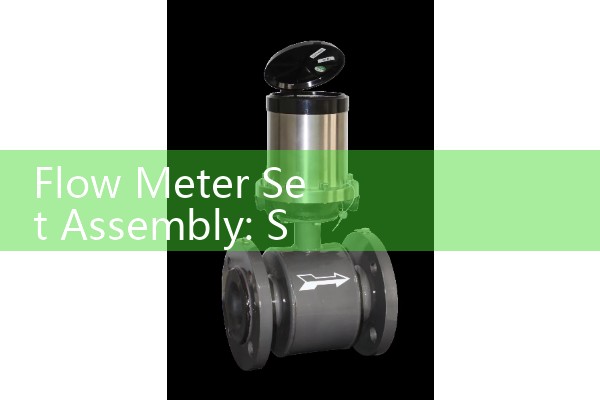
Outlet connections are not universal. Common patterns include DISS, Chemetron, Ohmeda, quick connect, and NIST. Inlet threads are often 1/8 NPT or 1/4 NPT. A hospital in Surabaya ordered 120 oxygen flow meter set assemblies last year. The specification did not list the outlet fitting. The units arrived with Chemetron probes but the beds had quick connect adapters. Rework cost two weeks. This is why Silver Automation Instruments asks for a fitting photo or part number before quoting.
Mounting options include wall mount, rail mount, pendant mount, and panel mount. Modular bodies accept different brackets. In humid coastal areas like Lagos or Jakarta, specify sealed regulators and dust covers. High humidity can jam standard regulators and corrode brass bodies. Stainless steel bodies or sealed aluminum bodies are available for aggressive environments.
Medical Gas Standards and Material Compatibility
Most international projects follow ISO 7396-1 for medical gas pipeline systems. Some projects in the Middle East also follow NFPA 99. Oxygen service requires cleanliness for oxygen use. No oil, no grease, no hydrocarbon residue. Carbon dioxide can be slightly corrosive when wet. Nitrous oxide has pressure shock risks. The flow meter set assembly should use EPDM or FKM seals and Teflon valve seats for these services.
For dental clinics, veterinary clinics, and hospital gas outlets, flow testing is often part of the acceptance procedure. The Thorpe tube should be easy to remove for cleaning and replacement. Modular assemblies simplify this because the tube and float can be serviced without taking the whole outlet apart.
How to Request a Quote Without Delays
Send us the following data: gas type, flow range in L/min, inlet pressure in bar or psi, outlet connection standard, and mounting type. If you are replacing an existing Thorpe tube, send the old part number or a clear photo of the back body and fitting. A photo saves one or two days of back and forth. We respond within 24 hours.
Contact Silver Automation Instruments for a quotation. Tel: +86-135-1213-1526. Whatsapp: 86-135-12131526. WeChat: +86 13512131526.
FAQ
What is a Thorpe tube flow meter set assembly? It is a medical gas flow indicator that combines a calibrated glass tube, a float, a back body, and a control regulator. It is often mounted on wall or rail brackets and used for oxygen, air, CO2, or nitrous oxide.
Which flow range do I need for adult oxygen therapy? Adult oxygen therapy commonly uses 0 to 15 L/min. Some high flow applications need up to 30 L/min. Neonatal and pediatric wards often use 0 to 1 L/min or 0 to 3 L/min.
Can one Thorpe tube be used for different gases? No. The tube and float are calibrated for a specific gas density and viscosity. A tube calibrated for oxygen will not read correctly on carbon dioxide or nitrous oxide. Order the gas type stated on the nameplate.
What inlet pressure should I specify? Most medical gas pipelines run at 4 bar or 50 psi. Check your site pressure before ordering. The control regulator must be rated for the actual supply pressure.
Do you supply replacement tubes and regulators only? Yes. Silver Automation Instruments supplies complete flow meter set assemblies and individual replacement parts. Send a photo of the existing unit and the part number if available.
 Hot Product
 Related AD