

『Hydraulic Flow Meter Calibration: Accredited High-Pressure Master Prover Loop Calibration Procedures』Related information(flow rotameter|digital flow meter|balo meter|hydraulic flow meter|volumetric meter|positive displacement meter|pitot tube flow meter|displacement meter|cfm meter|variable area flow meter|inline flow meter|differential pressure flow meter|calibrated flow meter|velocity meter|paddle wheel flow meter|oval gear flow meter|anemometer hvac|multiphase flow meter|doppler flow meter|thorpe tube flowmeter|heat flow meter)
Hydraulic Flow Meter Calibration: Accredited High-Pressure Master Prover Loop Calibration Procedures
Quick Answer: Hydraulic flow meter calibration on a high-pressure master prover loop checks meter accuracy at real operating pressure. Silver Automation Instruments supplies flow meters that can be calibrated against accredited master provers with ISO 17025 traceability. Send us your pressure in bar, temperature in °C, pipe size DN, and flow range for a specific quote.
What Is a High-Pressure Master Prover Loop?
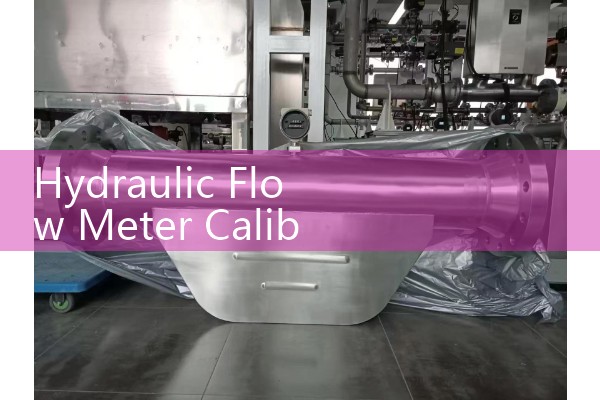
A high-pressure master prover loop uses a reference meter or a piston prover to test the flow meter under controlled pressure. The loop often runs hydraulic oil, water glycol, or calibration oil at pressures from 20 bar to 345 bar. The reference master meter sits in series with the unit under test. The control system holds flow rate and pressure steady. Then the meter reading is compared against the reference volume or mass.
Most engineers skip this part. A bench calibration at low pressure can hide seal leakage or rotor slip. On a high-pressure loop those errors show up. We have seen this on customer sites in Indonesia, Saudi Arabia, and Chile.
Why Calibrate a Hydraulic Flow Meter Under Pressure
Hydraulic flow meters work in tough conditions. Pumps, valves, and actuators send pressure spikes through the line. A flow meter calibrated at 2 bar may shift when it runs at 180 bar. The body expands slightly. Internal clearances change. Positive displacement meters can leak more inside. Turbine meters can change rotor speed. That error passes directly to batch control and billing.
An accredited high-pressure master prover loop calibration reduces this risk. The certificate gives the meter a correction factor or a K-factor. The error is recorded at several flow points. The data helps a plant keep batch records defensible and traceable.
Key Calibration Steps on a High-Pressure Master Prover Loop
The meter is installed in the test section with proper upstream and downstream straight run. The loop is filled and pressurized to the first test point. A piston prover or master meter measures the reference volume. The test starts at low flow. Then the system steps through 25 percent, 50 percent, 75 percent, and 100 percent of full scale. Each point is held until the readings stabilize.
Pressure and temperature are logged at every point. The fluid viscosity is checked. Correction factors are calculated for each flow rate. The final certificate lists the meter serial number, test fluid, pressure, temperature, and the uncertainty of the reference. Silver Instruments can arrange this for Coriolis, oval gear, turbine, and positive displacement flow meters.
Which Flow Meters Need This Calibration
Oval gear flow meters for hydraulic oil and diesel benefit the most. They are positive displacement devices. Small internal leaks change the output. Turbine flow meters for low viscosity hydraulic fluid also need it. Coriolis mass flow meters have less mechanical wear, but they still need calibration at operating pressure for custody transfer or high accuracy batch control.
Typical sizes range from DN15 to DN100. Flow ranges run from 0.5 L/min to 1,200 L/min. We see viscosity from 1 cP to 1,000 cP. That covers thin hydraulic oil, water glycol, and heavy gear oil.
Field Conditions We See in Southeast Asia, Latin America, and the Middle East
A paint manufacturer in Southeast Asia runs oval gear meters at 18 bar. Their batch accuracy drifted 2.4 percent over 14 months. A bench calibration did not catch the problem. A high-pressure loop test found rotor wear and internal bypass. The customer replaced the meter and set a 12 month recalibr
Last year a customer in Vietnam asked about a seawater flow meter for a desalination plant. The line pressure was 62 bar. The flow meter supplier quote had no calibration data. We supplied an electromagnetic flow meter, but the customer later asked for a high-pressure loop calibration on a separate hydraulic skid. In practice, the operating pressure changes the meter factor more than engineers expect.
A water treatment contractor in Chile runs turbine meters on reverse osmosis feed pumps. They calibrate every 18 months on a master prover loop. The plant manager keeps the certificates for the local regulator.
Recommended Flow Meters and Calibration Ranges
For hydraulic oil and diesel, Silver Instruments supplies oval gear flow meters with pulse output or 4 mA to 20 mA HART. For high viscosity fluids above 100 cP, use a Coriolis mass flow meter. Coriolis meters can output mass flow in kg/h. For clean low viscosity fluids below 10 cP, a turbine flow meter works well. For conductive water based fluids, use an electromagnetic flow meter. ATEX Zone 1 versions are available for oil and gas terminals.
Tell us the fluid, operating pressure in bar, temperature in °C, pipe size DN, and flow range. We will recommend a meter and arrange calibration through an ISO 17025 accredited partner lab. The calibration certificate lists the reference standard, uncertainty, and test points. That is the paper trail your plant needs for audits, batch release, and customer claims.
FAQ on Hydraulic Flow Meter Calibration and Master Prover Loops
Q: What is the difference between a master prover loop calibration and a bench calibration?
A: A bench calibration checks the meter at low pressure. A master prover loop calibration tests the meter at real operating pressure using a reference meter or piston prover. The high-pressure test reveals seal leakage, body expansion, and rotor slip that a bench test can miss.
Q: How often should a hydraulic flow meter be calibrated?
A: Most plants calibrate every 12 months for batch control. Custody transfer or food and beverage systems may need 6 month intervals. The exact interval depends on fluid cleanliness, pressure cycling, and the meter type. We can help set the interval based on your process.
Q: Can you calibrate a flow meter at our operating pressure?
A: Yes. We can arrange calibration up to 345 bar depending on the fluid and meter size. Send us your operating pressure and fluid. We will confirm the loop capacity and the uncertainty.
Q: Do you supply the calibration certificate with the flow meter?
A: Silver Instruments ships many meters with a factory calibration certificate. For accredited high-pressure master prover loop calibration, we can coordinate the test through an ISO 17025 partner lab. The certificate includes traceability, test points, and uncertainty data.
Q: What parameters do you need for a flow meter calibration quote?
A: We need fluid type, flow range, operating pressure in bar, temperature in °C, pipe size DN, and your required accuracy. Also tell us if you need a pulse output, 4 mA to 20 mA HART, or a local display.
Get a Quote for Hydraulic Flow Meter Calibration
Send us your pressure in bar, temperature in °C, pipe size DN, and flow range. Our engineers reply with a recommended model, lead time, and calibration quote. Contact Silver Automation Instruments at Tel: +86-25-68650347, Whatsapp: +86-25-52155837, or WeChat: +86 15365082610. For technical data, visit flow-meter.com.au or flow-meter.com. We ship to Southeast Asia, Oceania, Latin America, Africa, and the Middle East.
 Hot Product
 Related AD