

『Gerand Engineering Flow Meter Manual: Fire Protection System Sizing and Venturi Testing Rules』Related information(flow rotameter|digital flow meter|balo meter|hydraulic flow meter|volumetric meter|positive displacement meter|pitot tube flow meter|displacement meter|cfm meter|variable area flow meter|inline flow meter|differential pressure flow meter|calibrated flow meter|velocity meter|paddle wheel flow meter|oval gear flow meter|anemometer hvac|multiphase flow meter|doppler flow meter|thorpe tube flowmeter|heat flow meter)

Fire Protection System Sizing and Venturi Testing Rules Based on the Gerand Engineering Flow Meter Manual
Quick Answer
Size the venturi or inline flow meter for the maximum fire pump test flow, not the normal duty point. The Gerand Engineering flow meter manual sets practical limits for line size, straight run, and differential pressure so the fire pump test stand stays stable and repeatable. For most fire pump discharge lines from DN80 to DN300, an inline electromagnetic flow meter with 4-20 mA HART output covers the full test range.
Why Fire Protection Flow Measurement Differs from Process Flow
Here is the thing. Fire water is not a continuous process stream. Flow sits at zero for months. During a pump test, flow changes quickly from minimum to 150 percent of rated capacity. The meter must stay accurate after long idle periods. It also must handle dirty water, seawater, or foam concentrate residue.
Many project engineers treat a fire flow meter like a normal raw water meter. That causes errors. The Gerand Engineering manual explains why venturi testing rules for fire protection need lower permanent pressure loss and a wider turndown than a standard process venturi.
Venturi Sizing Rules from the Manual
Start with the maximum test flow of the fire pump. A diesel pump rated at 300 m3/h has a 150 percent test point of 450 m3/h. Select the venturi throat so the differential pressure at 450 m3/h stays between 25 kPa and 200 kPa. If the differential pressure rises above 200 kPa, move to the next larger line size or increase the throat diameter.
The manual recommends a beta ratio from 0.4 to 0.7 for fire water venturi stations. Most engineers skip this step. They copy a process venturi from another project and then wonder why the pressure loss is too high or the reading is unstable. A beta ratio above 0.7 gives low differential pressure but requires long straight run. A beta ratio below 0.4 causes too much permanent pressure loss. Most fire main installations in Australia and Southeast Asia use a beta ratio from 0.55 to 0.65.
Straight run rules are important. The manual asks for 10 pipe diameters upstream and 5 pipe diameters downstream. For a DN150 venturi this equals 1.5 m upstream and 0.75 m downstream. Do not place the venturi directly after a butterfly valve, gate valve, or check valve.
Fire Pump Test Points and Flow Ranges
NFPA 20 and NFPA 25 style tests include churn, rated flow, and 150 percent flow. The flow measurement must be repeatable at all three points. A venturi with a differential pressure transmitter works if the transmitter span fits the throat. The manual suggests a 4-20 mA HART transmitter with a span of 0 to 250 mbar or 0 to 500 mbar depending on line size and beta ratio.
Flow is calculated from the square root of differential pressure. A small span error at low differential pressure creates a large flow error. Most field problems appear at the 50 percent test point because a contractor installs a standard DP transmitter without square root output or proper damping. Last year a warehouse operator in Vietnam asked us to check this exact issue on a DN150 fire header.
Instrument Choices for Fire Water Lines
Inline electromagnetic flow meters are a practical option for fire pump test headers. They read volume flow directly and han
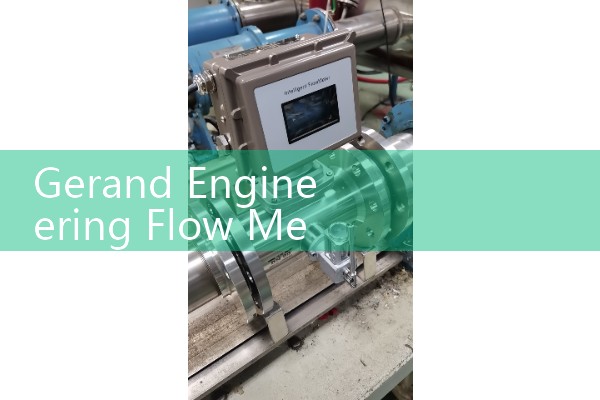
Clamp-on ultrasonic flow meters suit temporary fire pump tests on existing steel or ductile iron pipes. A contractor in Queensland used a clamp-on meter on DN100 and DN150 headers to check three diesel fire pumps. After that test, the owner ordered fixed inline electromagnetic meters for the main test line.
When the project uses a venturi, pair the venturi body with a differential pressure transmitter. Silver Instruments can supply the transmitter and configure the square root flow curve before shipment. This reduces commissioning time on the fire pump test day.
Common Field Issues on Fire Water Systems
Air pockets are the main cause of unstable readings. Vent the meter body and impulse lines before each test. The pipe must be completely full of water. If the pump draws from a suction tank, check the minimum water level before starting the test.
Diesel pump pressure pulses affect the signal. Set the transmitter damping to 1 to 3 seconds. This removes engine pulsation without hiding the real flow trend.
Wet material selection must match the water chemistry. For seawater or brackish fire water, use 316L electrodes in electromagnetic meters. For venturi bodies, use 316 stainless steel or PTFE lined construction. Do not use bare carbon steel bodies in seawater without a proper corrosion allowance.
FAQ
What flow meter size do I need for a fire pump test?
Size the meter for the maximum test flow. A rated pump of 200 m3/h needs a DN100 inline electromagnetic flow meter or venturi line size. A rated pump of 400 m3/h needs a DN150 meter.
Can I use a clamp-on ultrasonic meter for a fire pump test?
Yes. A clamp-on ultrasonic flow meter works on steel or ductile iron pipes from DN50 to DN300. The pipe surface must be clean and the flow profile must be fully developed. For permanent monitoring, use an inline meter.
What differential pressure range should I use for a fire water venturi?
Most examples in the Gerand Engineering manual use 0 to 250 mbar or 0 to 500 mbar. Select the span so the maximum test flow gives 80 to 90 percent of the transmitter range.
Do I need straight run before a fire water electromagnetic flow meter?
Yes. Use 5D upstream and 3D downstream for most electromagnetic meters. If the specification follows the Gerand venturi rules, use 10D upstream and 5D downstream.
How do I avoid air pockets in a fire flow test header?
Install the meter in a horizontal or slightly upward sloping pipe section. Add manual vent valves at high points. Fill the line slowly and open the vents before starting the pump.
Silver Instruments Support and Quote Details
Send us your pressure (bar), temperature (°C), pipe size (DN), and flow range. We will check the sizing against the Gerand Engineering manual rules and propose either an inline electromagnetic flow meter or a venturi differential pressure solution.
Contact Silver Automation Instruments at Tel: +86-135-1213-1526 or Whatsapp: 86-135-12131526. WeChat: +86 13512131526.
 Hot Blog
 Related AD