

『Honeywell Mass Flow Meter Calibration: Adjusting Micro-Capillary Gas Scales to NIST Standards』Related information(flow rotameter|digital flow meter|balo meter|hydraulic flow meter|volumetric meter|positive displacement meter|pitot tube flow meter|displacement meter|cfm meter|variable area flow meter|inline flow meter|differential pressure flow meter|calibrated flow meter|velocity meter|paddle wheel flow meter|oval gear flow meter|anemometer hvac|multiphase flow meter|doppler flow meter|thorpe tube flowmeter|heat flow meter)
Honeywell Mass Flow Meter Calibration: Adjusting Micro-Capillary Gas Scales to NIST Standards
Quick Answer: Honeywell mass flow meters with micro-capillary gas sensors need periodic calibration against NIST traceable flow standards. The adjustment corrects zero drift and span shift on low flow gas lines. Silver Automation Instruments supplies calibrated thermal mass flow meters and can help match your gas scale settings to NIST reference data for air, nitrogen, argon, carbon dioxide and natural gas.
What NIST Calibration Means for a Micro-Capillary Gas Scale
NIST traceable calibration means the device is compared to a flow reference that has a documented chain back to the National Institute of Standards and Technology. Most accredited labs issue calibration certificates under ISO/IEC 17025. A micro-capillary gas scale inside a thermal mass flow meter measures mass flow through heat transfer. Because capillary tubes are small, even a thin film changes the heat transfer response. Calibration points usually include 20 percent, 50 percent and 80 percent of full scale. The report lists flow setpoint, reference reading, device reading and error in percent of reading.
Adjusting a Micro-Capillary Gas Scale on Honeywell Mass Flow Meters
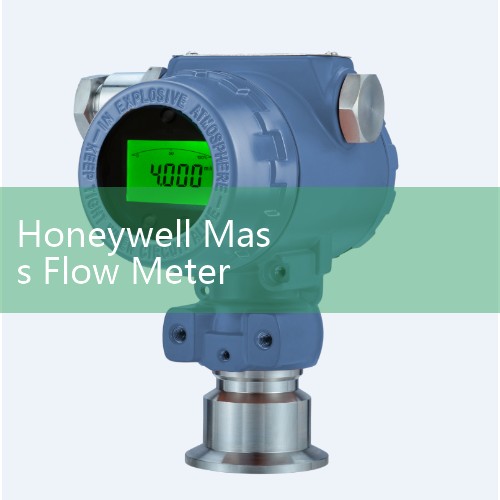
Field engineers often connect a NIST traceable flow standard in series with the Honeywell meter. First they check zero flow. Then they apply span gas at three or five flow points. The meter output in 4-20 mA or 0-5 VDC is compared to the reference. For Honeywell AWM5104 and similar microbridge sensors, adjustments are made through analog trim or digital interface. In practice, most engineers check zero and span first because these two points cover most drift. The process is similar for a microbridge sensor or a capillary bypass thermal mass flow meter. A typical bench uses laminar flow elements or sonic nozzles as the reference. Reference uncertainty is usually plus or minus 0.25 percent of reading or better.
When Micro-Capillary Gas Scales Need Adjustment
You should recalibrate after sensor replacement, after cleaning, after gas composition changes, or when process data drifts. Small capillary diameters of 0.2 mm to 1.0 mm can show zero drift after repeated thermal cycles. A mass flow controller on a biogas blending line may read 3 to 5 percent high at low flow when calibration is off. We have seen this on customer sites many times. In one case, a food packaging plant in Malaysia reported nitrogen purge flow drift. The Honeywell meter was out of tolerance by 2.8 percent at 20 percent of full scale. After zero and span adjustment against a NIST traceable nitrogen flow standard, error dropped to 0.4 percent of reading. That plant now uses the same gas and pressure conditions for weekly checks.
Which Silver Instruments Flow Meter Fits After Calibration or Replacement
If the Honeywell unit cannot hold calibration, you can replace it with a thermal mass flow meter from Silver Automation Instruments. We supply inline styles for gas lines from DN15 to DN200 and insertion styles for large ducts or stacks. Outputs include 4-20 mA HART, RS
Typical Calibration Data Points for Gas Scales
We recommend at least five points per range, including 10, 25, 50, 75 and 100 percent of full scale. The unit under test should be mounted in the same orientation as the field installation. For gases like hydrogen or biogas, state gas composition, density and moisture content. Here is the thing. A thermal mass flow meter calibrated for air will not be accurate for carbon dioxide without correction factors. Line pressure in bar and gas temperature in degrees Celsius also affect the reading. A good calibration bench records those ambient conditions and corrects them to standard conditions.
FAQ: Honeywell Micro-Capillary Gas Calibration
How often should a Honeywell micro-capillary mass flow meter be calibrated?
Most industrial users calibrate every 12 months. Gas composition changes, temperature swings and contamination can shorten this interval. For custody transfer or emissions monitoring, many plants follow a 6 month cycle.
Can Silver Automation Instruments calibrate a Honeywell mass flow meter?
We supply calibrated replacement thermal mass flow meters. We also help with setup and correction factors for Honeywell and other brands. Send us your current flow range, gas type and output signal for a specific recommendation.
What is the difference between NIST traceable and ISO 17025 calibration?
NIST traceable means the reference has a documented chain back to NIST. ISO 17025 covers lab competence and uncertainty budgets. A good calibration certificate includes both traceability and accredited lab data.
What parameters must I provide for gas calibration?
Tell us gas type, flow range in sccm or slpm, line pressure in bar, gas temperature in degrees Celsius and pipe size in DN. Also state whether you need 4-20 mA HART or Modbus output.
Can you adjust a micro-capillary gas scale on site?
Most adjustments happen on a calibration bench with a NIST traceable flow standard. On site adjustment is possible for some 4-20 mA HART thermal mass meters with zero and span functions. You still need a reference flow meter or calibrated orifice plate to confirm the result.
How to Specify a Gas Mass Flow Meter Calibration Request
Send us your pressure in bar, temperature in degrees Celsius, pipe size in DN, flow range and gas type. Include your current output signal and calibration tolerance. For urgent quotes, contact Silver Automation Instruments at Tel +86-135-1213-1526, Whatsapp 86-135-12131526 or WeChat +86 13512131526. We respond to most calibration and replacement quotes within 24 hours.
 Hot Product
 Related AD